
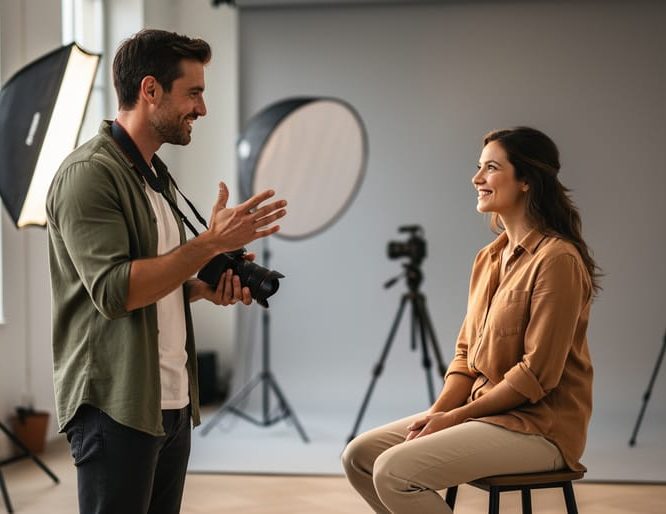
A quality portrait photography course equips you with three essential skill pillars: mastering light control, directing authentic poses, and post-processing techniques that bring out your subject’s personality. Whether you’re planning to photograph clients at events or creating compelling marketing imagery for your business, the right course will transform how you capture the human face and tell visual stories.
In 2026, portrait photography education has evolved far beyond basic camera settings. Professional courses now cover everything from ambient and artificial lighting setups to the psychology of putting nervous subjects at ease, all while teaching you to see and shape the subtle details that separate a snapshot from a powerful portrait. You’ll learn to work with natural window light for intimate indoor sessions, master off-camera flash for dramatic commercial headshots, and understand how lens choice affects facial proportions.
The best courses balance hands-on practice with real feedback. Programs typically run between a few focused hours for beginners (some beginner courses clock in around 3.5 hours for €95) to comprehensive multi-week workshops with ongoing access to recorded sessions for up to 12 months. Leading online schools, including Canada’s top providers, now offer flexible learning paths tailored to your current skill level and specific goals, whether that’s wedding portraiture, corporate headshots, or creative personal branding photography.
What matters most isn’t just technical knowledge. You need a course that helps you develop your eye, build confidence directing real people, and create a workflow that fits how you’ll actually use portrait photography in your events or business marketing. The following guide will show you exactly how to choose a course that delivers those results.
What You’ll Need Before Starting a Portrait Photography Course
You don’t need a professional studio or thousands of euros in gear to sharpen your skills through a portrait photography course. Most quality programs accept complete beginners and provide guidance tailored to the equipment you already own. Your most important investment isn’t money, it’s the commitment to practice consistently and learn from constructive feedback.
A basic camera body forms your foundation. Whether you own a DSLR or mirrorless camera, entry-level models work perfectly for mastering fundamentals like exposure, composition, and focus. Many instructors recommend starting with a 50mm prime lens, which forces you to move and engage with your subject rather than relying on zoom. If you already own a kit lens (typically 18-55mm), that’s sufficient for beginner and intermediate coursework.
Lighting separates amateur snapshots from compelling portraits. Before investing in expensive strobes, start simple: a reflector (collapsible ones cost under €30) bounces natural light beautifully, and a single speedlight or continuous LED panel teaches you directional lighting principles. Most courses cover both natural light techniques and artificial setups, so you can begin outdoors or near a window.
- A camera body (DSLR or mirrorless, entry-level is fine)
- At least one lens, a 50mm prime or your kit lens works well
- A basic reflector or simple one-light setup
- Editing software trial or subscription (Lightroom, Capture One, or free alternatives)
- Willing subjects for practice, friends, family, or patient volunteers
Editing software transforms raw captures into polished images. Many courses include editing workflows as core curriculum, covering exposure correction, colour grading, and skin retouching. Free trials of Adobe Lightroom or Capture One let you follow along without upfront costs. Some instructors also teach free alternatives like GIMP or Darktable.
Beyond gear, bring curiosity and patience. Portrait photography requires directing people comfortably, understanding how expressions shift in milliseconds, and iterating until a pose feels natural. Courses accommodate everyone from hobbyists capturing family moments to entrepreneurs building marketing portfolios, your starting point matters less than your willingness to experiment and refine.
Understanding Portrait Photography Course Formats and What They Cover
Portrait photography courses in 2026 come in several formats, each designed to fit different learning styles, schedules, and budgets. Online self-paced courses offer the most flexibility, you watch pre-recorded lessons whenever it suits you, work through assignments at your own speed, and revisit modules as needed. These typically grant 12 months of access to all recorded sessions, giving you ample time to practice between lessons and review techniques until they stick. Live virtual conferences, such as the Out of Chicago LIVE online conference running February 6-8, 2026, bring together multiple instructors for real-time presentations, Q&A sessions, and peer interaction. These events compress a lot of learning into a few intensive days, and sessions are recorded for later review.
In-person workshops provide hands-on experience with direct instructor feedback, often in small groups where you practice lighting setups and directing subjects in a controlled environment. Hybrid formats combine the best of both worlds: live virtual sessions for immediate guidance and community, plus recorded content you can revisit. Some providers also offer ongoing support through private forums or scheduled critique sessions, extending the learning beyond the initial course window.
Regardless of format, core curriculum areas remain consistent across reputable courses. Lighting techniques form the foundation, you’ll learn to shape and control both natural light and studio setups, understanding how direction, quality, and intensity affect mood and flattery. Posing direction teaches you to guide subjects into natural, confident positions that suit their body type and the image’s purpose, whether you’re shooting environmental portraits or classic headshots. Editing workflows cover color correction, skin retouching, and developing a cohesive style that enhances without over-processing. Finally, building a client portfolio addresses the business side: selecting your strongest work, understanding client needs, pricing your services, and marketing yourself effectively.
Course durations vary widely. A beginner-level session might run 3.5 hours and cover camera settings and basic composition for around €95, while comprehensive programs stretch across multiple months, diving deep into each pillar with weekly assignments and instructor feedback. Canada’s leading online photography schools, for instance, offer structured paths that progress from fundamentals to advanced techniques, allowing you to build skills methodically rather than feeling overwhelmed. Choose the format and duration that align with how much time you can commit each week and whether you prefer learning in bursts or steady, ongoing study.
Step-by-Step: How to Select the Right Portrait Photography Course for Your Goals
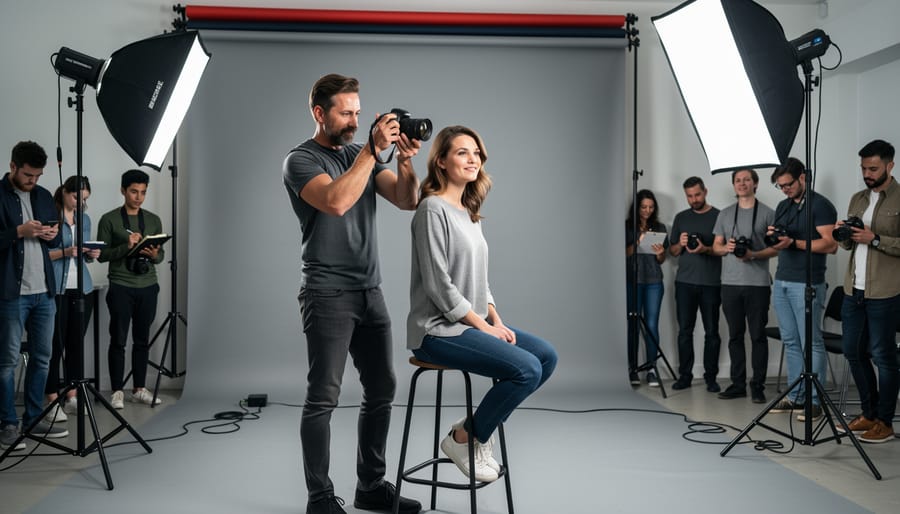
Choosing the right portrait photography course isn’t about picking the most expensive option or the one with the slickest marketing, it’s about matching the learning experience to where you are now and where you want to be. Here’s how to evaluate your options and commit to a course that will actually move your skills forward.
- Define your goal with clarity. Ask yourself whether you’re learning portrait photography to capture your family’s milestones beautifully, to earn side income from weekend sessions, or to build a full-time photography business. Your answer determines everything from curriculum depth to time commitment. A hobbyist might thrive in a condensed weekend workshop, while someone pursuing professional work needs comprehensive training that covers client management and cutting-edge tech for editing and delivery.
- Assess your current skill level honestly. Can you shoot in manual mode confidently? Do you understand how aperture affects depth of field? Have you ever directed a subject through poses? Be truthful about what you know and what confuses you. Beginner courses assume no prior knowledge and start with camera fundamentals, while intermediate programs focus on refining technique and artistic vision. Enrolling in the wrong level wastes time and frustration.
- Research course providers and instructor credentials. Look for instructors with verifiable professional experience, not just teaching credentials. Check their portfolios, client work, and industry presence. Established online photography schools often feature instructors who’ve taught the same material multiple times and refined their approach. For example, experienced instructors returning year after year to events like the February 2026 Out of Chicago LIVE conference bring proven teaching methods and real-world insight.
- Compare curriculum depth, duration, and format. Does the course cover lighting setups, posing direction, editing workflows, and portfolio building, or just one aspect? A thorough beginner course might run 3.5 hours and introduce all fundamentals, while advanced programs span weeks or months with assignments between sessions. Decide whether you prefer self-paced online learning, live virtual instruction with immediate feedback, or in-person hands-on workshops. Each format suits different schedules and learning styles.
- Evaluate cost against value, not just price. A €95 beginner course that includes recorded sessions, practice assignments, and instructor feedback offers far more value than a €300 course with only video lectures. Consider what’s included: downloadable resources, editing presets, portfolio reviews, community access. Calculate the cost per contact hour and what you’ll walk away with beyond the lessons themselves.
- Check for recorded access and ongoing support. Courses that provide 12 months of access to recorded sessions let you revisit complex topics and learn at your own pace. This matters especially if you’re balancing learning with work or family commitments. Look for programs that offer Q&A forums, peer feedback groups, or scheduled office hours where you can ask questions after the initial lessons.
- Enroll and commit to a practice schedule immediately. The best course in the world won’t improve your skills if you don’t apply what you learn. Before you pay, block time in your calendar for lessons and practice sessions. Plan to shoot at least twice weekly, even if it’s just practicing window light portraits of willing friends. Consistent practice between lessons turns concepts into muscle memory.
The right course won’t just teach you how to use your camera, it’ll give you the confidence to direct a subject, handle challenging light, and deliver images that capture genuine emotion. That’s the difference between simply taking a course and actually becoming a portrait photographer.
Safety and Common Pitfalls to Avoid
Choosing the wrong portrait photography course can waste your time and money while leaving you frustrated and no closer to your goals. Watch out for programs that don’t list instructor credentials or experience, legitimate providers like established Canadian online schools and annual events such as Out of Chicago LIVE showcase their instructors’ backgrounds, often highlighting years of teaching experience. If a course promises you’ll be shooting professionally within days or guarantees instant mastery, that’s a red flag. Portrait photography requires deliberate practice, constructive feedback, and gradual skill-building; no course can bypass that reality.
Steer clear of courses with hidden costs, some advertise a low entry price around €95 but then upsell you on essential modules or access fees. Read the fine print: confirm whether materials, recorded access (typically 12 months for quality programs), and instructor feedback are included or cost extra. Another common mistake is overbuying equipment before you’ve developed your skills. You don’t need the most expensive camera or a studio’s worth of lights to start; focus on mastering fundamentals with entry-level gear first, then upgrade strategically as you understand what your style demands.
If you’re planning to transition into paid portrait work, manage client expectations carefully from the start. Don’t promise polished, professional results until you’ve completed hands-on practice assignments and built a solid portfolio. Many beginners also benefit from understanding related disciplines like product photography tips which reinforce lighting and composition principles applicable across commercial photography. Stick with reputable, established course providers who offer structured curricula, real instructor interaction, and transparent pricing, these markers separate genuine learning opportunities from empty promises.
How to Know You’re Making Progress and What Comes Next
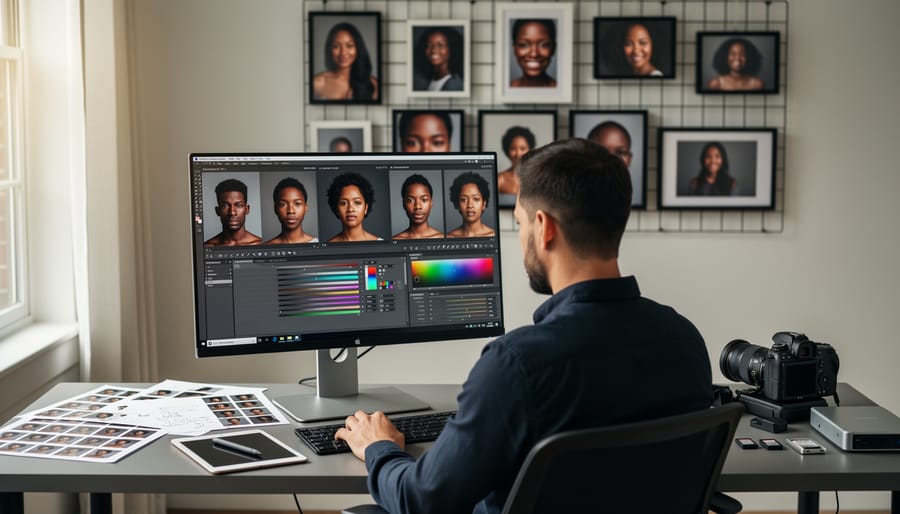
You’ll know your portrait photography course is working when you stop second-guessing your camera settings and start focusing on the person in front of you. Real progress shows up in your images first: your portfolio fills with portraits that have clean, flattering light instead of harsh shadows, and your subjects look relaxed rather than awkward. If you’re nailing exposure and white balance in-camera more often than fixing them in post, that’s a clear sign the technical lessons are sticking.
Another milestone is confidence during a shoot. When you can walk into a room, assess the available light, and adjust your setup without flipping through notes, you’re transitioning from student to practitioner. The same goes for posing, if you find yourself naturally guiding someone’s shoulder angle or suggesting a head tilt without hesitation, you’ve internalized what the course taught. Completing a mock client session from start to finish, then delivering polished final images within a few days, proves you can handle the full workflow.
Feedback matters, too. Positive comments from your instructor or peers in course forums signal you’re applying techniques correctly. Even constructive critiques that feel less sting-y and more useful indicate your eye is developing.
Once you finish, build momentum by offering free or low-cost sessions to friends and family. These real-world shoots let you practice client communication and refine your style without financial pressure. Start curating your best work into a simple online portfolio, ten to fifteen strong images beat fifty mediocre ones. If you’re drawn to commercial portrait work for businesses, reach out to local entrepreneurs who need headshots or brand imagery; many small companies value skilled photography that captures their story and personality.
Consider advanced courses or one-on-one mentorship to deepen specific skills like off-camera flash or studio lighting. The learning doesn’t stop after one course, it’s where your creative vision starts to take shape.
Frequently Asked Questions About Portrait Photography Courses
How long does it take to complete a portrait photography course? Courses range from intensive single-day sessions of about 3.5 hours to multi-month programs that build skills progressively. Most platforms offer recorded access for 12 months, letting you revisit lessons and learn at your own pace without rushing through the material.
Do I need expensive camera equipment to start learning? Not at all. Beginner-focused courses are designed around entry-level gear, teaching you to master fundamentals like composition, lighting, and posing before investing in advanced equipment. You’ll learn techniques that work across price points, so your current camera is likely enough to begin.
Can I take a portrait photography course if I’m a complete beginner?
Yes, many courses are specifically designed for beginners with no prior photography experience. They start with camera settings basics and build toward more advanced portrait techniques, ensuring you won’t feel lost or overwhelmed.
Are online portrait photography courses as effective as in-person classes?
Online courses can be just as effective, especially when they include live instructor interaction and feedback opportunities. The recorded sessions available for 12 months also let you review complex techniques until they click, which you can’t do in a one-time workshop.
How much do portrait photography courses typically cost?
Pricing varies widely based on depth and format. Budget-friendly beginner courses start around €95 for a few hours of instruction, while comprehensive multi-month programs with mentorship and portfolio reviews cost significantly more.
What’s the difference between online conferences and self-paced courses?
Online conferences like the February 2026 Out of Chicago LIVE event offer scheduled sessions with real-time instructor access and community interaction. Self-paced courses let you start anytime and move through modules on your own schedule, both typically providing recorded access afterward.
The answers to these questions should help you move forward with confidence. If a course provider doesn’t clearly address pricing, duration, and skill level on their website, that’s often a red flag worth noting before you enroll.