
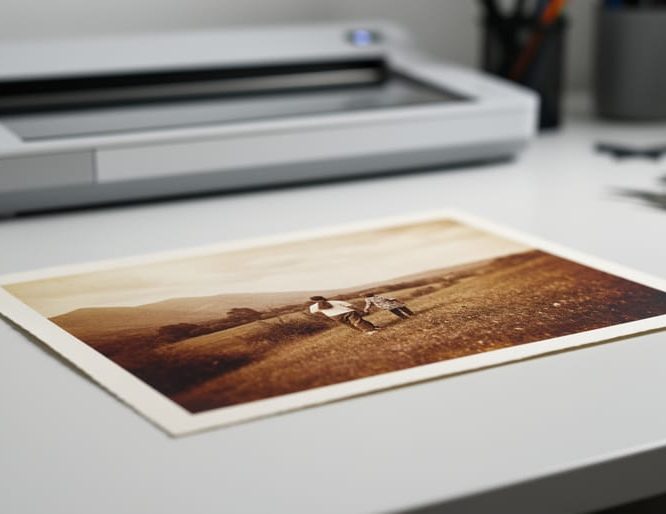
Photo restoration brings damaged, faded, or deteriorated photographs back to life through professional scanning, digital repair, and expert color correction. This service works on everything from torn vintage portraits to sun-bleached family snapshots, and the drop-off process makes it remarkably easy to preserve memories you thought were lost forever.
The technology behind modern photo restoration has transformed what’s possible. Where physical repairs once meant painstaking manual work with limited results, today’s digital restoration combines high-resolution scanning with specialized software that can rebuild missing sections, remove stains and scratches, correct color shifts from decades of aging, and even reconstruct torn or water-damaged areas. The best part? Your original photograph remains untouched. All restoration work happens digitally, preserving the physical artifact while creating a pristine new version you can display, share, or print.
Most people are surprised by what can be fixed. Creases from years in a wallet, mold spots from basement storage, color fading that’s turned a vibrant wedding photo into a washed-out ghost of itself, these aren’t permanent losses. Professional restoration addresses each type of damage with targeted techniques, and the drop-off model means you don’t need to understand the technical details. You simply bring in your photographs, discuss what you’d like restored, and return to pick up both your originals and beautifully renewed digital files or prints.
The process respects your vision for these memories. Whether you want a faithful restoration that honors the original era or prefer modern enhancement that brings out details the camera barely captured, customization options let you guide the final result.
What Photo Recovery Can Fix
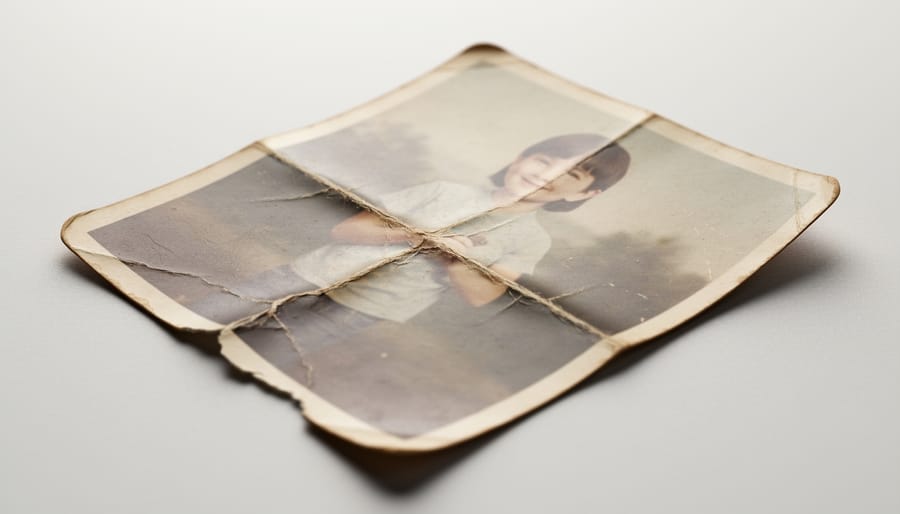
Professional photo recovery can rescue images that might seem beyond saving. Understanding what damage can be repaired helps you decide which family photos are worth bringing to a restoration specialist.
Water damage ranks among the most common issues. Photos exposed to floods, leaks, or high humidity often develop water stains, warping, and emulsion separation where the image layer pulls away from the paper backing. Modern recovery techniques can digitally remove stains, correct color shifts, and rebuild portions where the emulsion has flaked off completely.
Tears and creases create visible lines across faces and important details. Whether your photo has a single fold mark from years in a wallet or multiple rips from mishandling, restoration software can seamlessly blend these interruptions back into the original image. Deep creases that have cracked the photo surface respond especially well to digital repair.
Fading and discoloration happen naturally over decades as chemical dyes break down. Those yellowish or reddish casts that make old color photos look dated can be corrected to reveal the original tones. Black and white photos that have turned sepia or lost contrast regain their depth and clarity through careful color balancing.
Surface scratches from improper storage or handling appear as white lines cutting through the image. Recovery specialists can fill these gaps by sampling surrounding pixels and intelligently reconstructing what was underneath.
Mold spots leave dark or light splotches, particularly in photos stored in damp basements or attics. These can be removed digitally while preserving the underlying image detail.
Even missing portions, like torn corners or sections eaten by insects, can be rebuilt using advanced cloning techniques that extrapolate from the remaining image data.
The Drop-Off and Pick-Up Recovery Process
What to Bring to Your Consultation
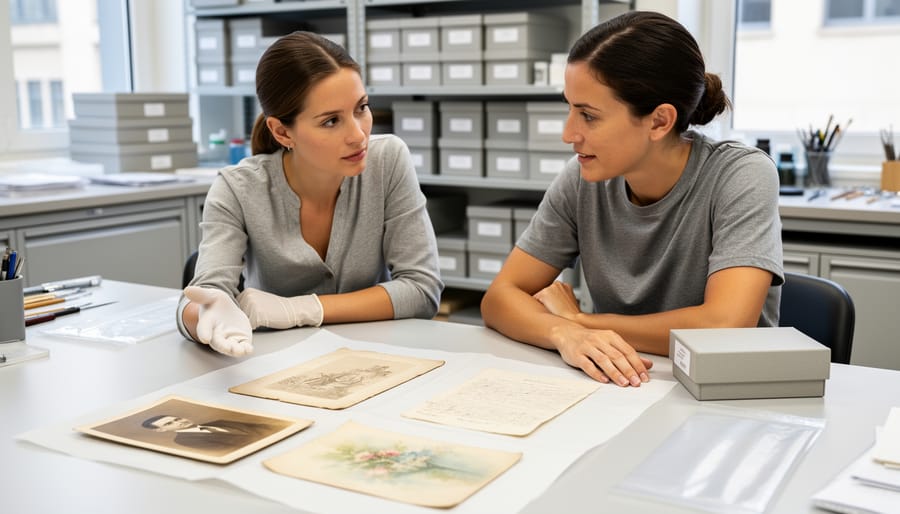
Bring your original photographs in a protective sleeve or folder to prevent further damage during transport. If images are extremely fragile, torn, water-damaged, or brittle, place them between sheets of acid-free paper rather than stacking them directly together. Avoid using rubber bands, paper clips, or sticky notes that could cause additional creasing or residue.
Write down specific concerns for each photo: areas you’d like prioritized (such as a face obscured by a tear), colors you remember that have faded, or missing sections you hope can be reconstructed from context clues. If you have multiple copies of similar images or reference photos showing the same person or location, bring those along, they provide valuable information for accurate restoration.
Think about your end goal before the consultation. Do you want the restored image to look exactly as it did originally, or are you open to creative enhancements like converting to sepia or adjusting contrast for modern aesthetics? Knowing whether you need prints for framing, digital files for sharing with family, or both helps the specialist recommend the right drop-off & pick-up package for your project.
Timeline Expectations
Most simple restorations, basic scanning with light color correction and minor dust removal, typically take three to five business days from drop-off to pick-up. If you’re working with a straightforward project and follow our complete drop-off guide you’ll have your restored photos back within a week.
Moderate restoration involving tear repair, significant fading correction, or rebuilding small missing areas usually requires one to two weeks. The specialist needs time to carefully match textures, blend repairs seamlessly, and ensure color accuracy across the entire image.
Extensive reconstruction projects, severely water-damaged photos, large missing sections, or images requiring painstaking detail work, can take three to four weeks or longer. Complex restorations demand meticulous attention, often involving multiple revision rounds to achieve museum-quality results.
Planning around a birthday, anniversary, or holiday gift? Contact us at least four to six weeks before your event. Rush services are sometimes available for an additional fee, but giving yourself buffer time ensures the best possible outcome without compromising quality for speed.
Modern Technology Behind Photo Restoration
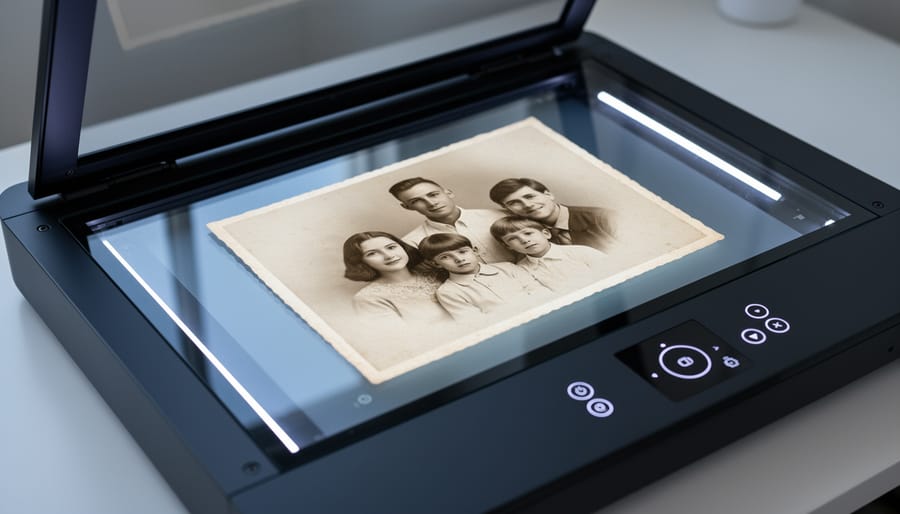
Professional photo restoration relies on cutting-edge technology that brings damaged images back to life without ever touching the original with repair tools. The process begins with high-resolution scanning, where specialized flatbed scanners capture your photograph at resolutions far exceeding standard 4K, often reaching 6400 DPI or higher for small prints. This level of detail allows restoration specialists to work with every nuance of the original image, from subtle grain patterns to the finest details in faces and backgrounds.
Once scanned, the real magic happens in professional-grade editing software like Adobe Photoshop and specialized restoration programs. These tools give technicians pixel-level control to rebuild missing sections, remove water stains, and correct color shifts that occur as prints age. Layer-based editing means each repair exists on its own level, so adjustments can be fine-tuned without affecting other parts of the image. Color correction technology analyzes the surviving tones in your photo and intelligently reconstructs faded areas to match the original palette, bringing back the warm skin tones and vibrant backgrounds that time has dulled.
Digital archiving completes the process by saving multiple versions of your photo. You receive the fully restored image in high-resolution formats suitable for printing at any size, plus the unedited scan of your original for historical preservation. Many services also create cloud backups, ensuring your family memories survive not just physical deterioration but also digital storage failures. This dual preservation approach means future generations can access both the authentic artifact and its beautifully restored counterpart.
Customization Options for Your Restored Photos
Once your damaged photo is expertly restored, you choose how you want to receive and display your renewed memory. Most recovery services offer flexible output options to match your specific needs and plans for the image.
Digital files remain the most versatile choice. You’ll typically receive high-resolution files (often 300 DPI or higher) in formats like JPEG or TIFF, suitable for printing at various sizes or sharing with family members. Many clients request multiple file sizes: a master archive version and web-friendly copies for email or social media. Digital delivery also means you can create additional prints whenever needed without returning to the studio.
For physical outputs, professional-grade prints on archival paper ensure your restored photo lasts for generations. You can upsize images beyond the original dimensions, turning a wallet-sized portrait into an 8×10 or larger display piece. Canvas wraps add gallery-worthy presentation, particularly effective for formal portraits or landscape scenes. Photo books let you compile multiple restored images into a cohesive family history, ideal for reunions or milestone celebrations.
Enhancement levels give you creative control over the final look. A faithful restoration preserves the original’s character, fixing damage while maintaining vintage tones and period-appropriate contrast. Alternatively, modernized enhancement applies contemporary color grading and sharpness, making century-old photos feel vibrant and current. Your restoration specialist will show you samples during the consultation to help you decide when to use it for different images.
Custom framing packages complete the presentation. Many services partner with framers to offer museum-quality matting and frames that complement both the photo’s era and your home decor, turning a restored memory into a finished heirloom piece ready to hang or gift.
Pricing and Packages
Photo recovery pricing varies based on several factors, making it easy to find an option that fits your budget and needs. Most services assess the severity of damage first, a lightly faded portrait requires less work than a torn, water-damaged image with missing sections, so costs reflect that complexity.
Image size matters too. Standard 4×6 or 5×7 prints typically fall into base pricing tiers, while larger formats like 8×10 or panoramic shots require more scanning resolution and editing time. Your turnaround preference also influences cost: standard processing (one to two weeks) runs less than rush orders for upcoming events or gift deadlines.
Output choices add flexibility. A basic digital file costs less than printed reproductions, canvas transfers, or custom framing packages. Many clients start with digital files to review results before committing to physical prints.
Budget-friendly packages help when restoring multiple photos. Family collection bundles often discount per-image rates when you bring five, ten, or twenty photos at once. Estate cleanout projects benefit from volume pricing that makes preserving entire albums or shoeboxes of memories more affordable than restoring one image at a time.
Expect transparent quotes during your consultation, reputable services explain exactly what you’re paying for and offer tiered options. Simple scans and minor touch-ups might start around $25 per photo, while extensive reconstruction work with multiple damage types can reach several hundred dollars for complex projects.
Common Questions About Photo Recovery
Clients considering photo recovery naturally have questions about the process, especially when entrusting precious family photographs to professionals. These concerns typically revolve around safety, feasibility, and long-term care of restored images.
Will my original photos be damaged during the restoration process?
No, professional restoration works from high-resolution digital scans of your originals, which are handled carefully and returned to you untouched. The restoration work happens entirely in the digital realm, ensuring your physical photographs remain safe.
Can severely damaged photos really be saved?
Most damaged photos can be restored to a surprising degree, even those with significant tears, water damage, or fading. The extent of recovery depends on how much of the original image information remains visible, but skilled restorers can often reconstruct missing areas using surrounding context and advanced techniques.
What file format should I request for my digital restored photos?
TIFF or high-quality JPEG files work best for archival purposes and future printing. TIFFs preserve maximum detail without compression, while JPEGs at maximum quality settings offer smaller file sizes with minimal quality loss for everyday sharing and viewing.
How is photo recovery different from just scanning old pictures?
Basic scanning creates a digital copy of your photo exactly as it currently looks, including all damage and deterioration. Photo recovery involves extensive digital editing to repair tears, restore faded colors, remove stains and scratches, and sometimes reconstruct missing portions, essentially bringing the image back to its original appearance.
Maintaining your restored photos requires minimal effort once you have them back. Store physical prints in acid-free albums away from direct sunlight and humidity, which cause fading over time. For digital files, keep multiple backup copies on different devices or cloud storage services, external hard drives can fail, so redundancy protects your investment. Update your storage media every few years as technology evolves to ensure you can always access your files.
Many clients wonder if they should keep trying to preserve deteriorating originals or accept that some damage is permanent. Professional restoration gives you the best of both worlds: you keep your original photographs as family heirlooms while having pristine restored versions for display, sharing with relatives, and creating new prints that will last for generations without showing the wear that accumulated over decades.