
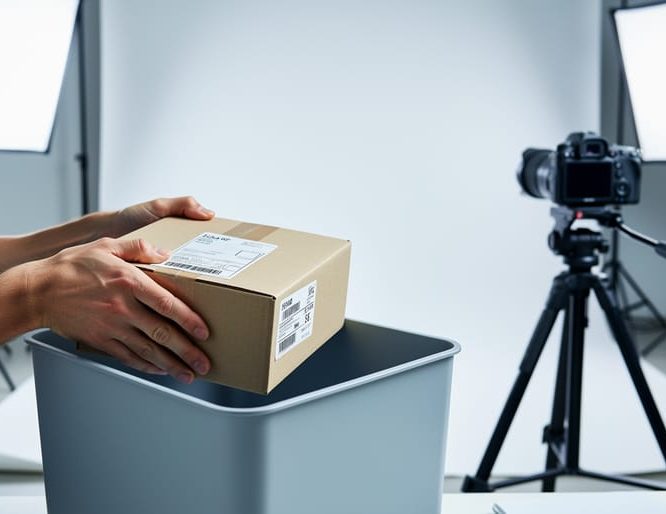
Drop-off photography lets you hand over your items or products to a professional studio for expert, high-quality shooting while you focus on running your business or planning your event. The process is straightforward: you schedule an appointment, deliver your items with specific instructions about angles, background preferences, or branding requirements, and collect the finished images within an agreed timeframe, typically 3-7 days depending on project complexity. This service eliminates the hassle of coordinating on-location shoots and provides you with studio-quality results without the premium cost of a full-service session.
Understanding how drop-off works helps you make the most of this efficient option. Small business owners use it for product catalogues, menu photography, and inventory documentation. Couples planning weddings often drop off invitation suites, favors, or decorative elements they want professionally captured for their website or social media announcements. The beauty lies in the flexibility: you maintain creative control through detailed briefs while the studio handles lighting, composition, and post-processing with professional-grade equipment.
Modern drop-off services now incorporate digital review platforms where you can approve shots remotely and request adjustments before final delivery, making the entire experience collaborative despite the physical distance.
What You’ll Need to Prepare
Proper preparation makes all the difference between a smooth drop-off experience and unnecessary delays or missed expectations. Before you schedule your appointment, gather these essential items to help our photographers capture exactly what you envision.
The Essentials for Every Drop-Off
- The physical items you want photographed, cleaned and ready to shoot
- Brand guidelines or style preferences (logos, color schemes, specific aesthetics)
- Reference images showing angles, lighting styles, or compositions you like
- A brief written description of how you plan to use these photos (website, social media, print materials)
- Contact information and your preferred deadline
- Any props, backgrounds, or accessories that complement your items
For product photography, bring detailed specifications like dimensions, material composition, and key features you want highlighted. If you’re photographing jewelry or small items, consider which angles best showcase their unique qualities. Business owners should include information about their target audience and where these images will appear, whether that’s an e-commerce site, Instagram feed, or printed catalog.
When dropping off personal memorabilia for events like birthdays or anniversaries, context helps tremendously. Share the story behind sentimental items or explain how they connect to your celebration. This allows photographers to capture not just the object itself but its emotional significance through thoughtful composition and lighting choices.
Consider creating a simple one-page brief that outlines your vision. Include mood boards, competitor examples you admire, or screenshots from Pinterest boards. The more specific you are about customization preferences, whether you need 4K resolution for large prints, 360-degree views for interactive displays, or specific color grading, the better we can tailor our approach.
Don’t forget practical details like file format preferences and delivery methods. Knowing upfront whether you need high-resolution files for print, web-optimized versions, or both helps us prepare your final deliverables efficiently. This preparation phase might feel thorough, but it saves time later and ensures you get images that truly serve your needs.
Important Considerations Before You Drop Off
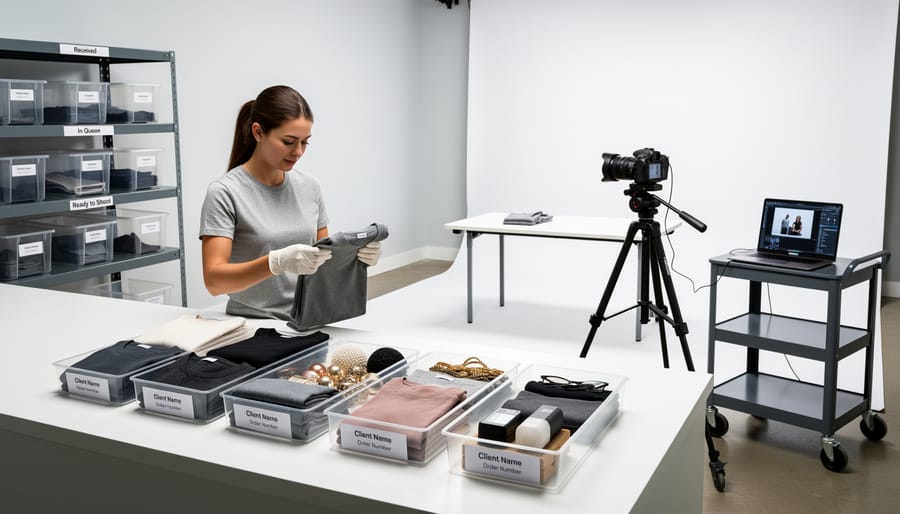
Before you hand over your items, take time to understand the protective measures and realistic timelines that ensure a smooth drop-off photography experience.
Insure Your Valuables
Most photography studios carry liability insurance, but it typically covers standard scenarios, not high-value items like jewelry, antiques, or limited-edition products. If you’re photographing items worth more than a few hundred dollars, contact your homeowner’s or business insurance provider to confirm your coverage extends off-premises. Some studios offer additional insurance for valuable items at an extra cost. Ask upfront what their policy covers and what it doesn’t.
Pack Items Properly
Proper packaging prevents heartbreak. Wrap fragile items individually in bubble wrap or foam padding, and place them in a sturdy box with cushioning on all sides. Don’t assume the studio will unpack delicate glassware or electronics from inadequate packaging. If you’re dropping off multiple products, separate them so they won’t knock against each other during transport. For extremely fragile pieces, consider hand-delivering them in a padded carrier rather than shipping.
Set Realistic Expectations
Professional photography takes time. A typical drop-off project requires three to seven business days, depending on the complexity and the studio’s current workload. Rush requests often incur additional fees. Editing scope also matters: basic color correction and background removal are standard, but extensive retouching, advanced compositing, or creating dozens of angle variations will extend timelines and costs. Discuss your deadline and editing needs during your initial consultation, not at pick-up when it’s too late to adjust the schedule.
Step-by-Step: The Drop-Off Photography Process
Schedule Your Drop-Off Appointment
Booking your drop-off appointment starts with a quick phone call or online form submission to the studio. Most photographers ask for basic details upfront: what you’re photographing (products, artwork, personal items), how many pieces, and when you need the final images. Be specific about your deadline, mention if you’re working toward a product launch, event date, or marketing campaign so the studio can prioritize accordingly.
Studios typically offer flexible scheduling, including evening and weekend slots for busy professionals. When selecting your time, factor in the complete timeline: photography session, editing, your review period, and any revisions. For straightforward product shots, the whole cycle might take 3-5 business days. Complex projects requiring multiple setups or 360-degree photography need more breathing room, often 7-10 days.
Pro tip: Book at least two weeks before your absolute deadline. This buffer accounts for unexpected delays and gives you time to request adjustments without panic. If you’re planning a rush job, ask about expedited service options during your initial contact, many studios accommodate tight timelines for an additional fee, but they need advance notice to clear their schedule.
The Intake and Consultation
When you arrive at the studio, you’ll be greeted by a photographer who will walk you through a structured intake process designed to capture exactly what you need. The intake form documents essential details: your contact information, item descriptions, preferred shoot angles, background preferences, and your project deadline. This paperwork creates a clear roadmap for the session and protects both you and the studio.
Next comes the creative consultation, where you’ll discuss your vision with the photographer. Bring reference images or examples of styles you love, whether that’s clean white backgrounds for e-commerce, lifestyle settings for social media, or 360-degree photography for interactive product displays. This is your chance to explain how you’ll use the images and what story you want them to tell about your brand or event.
The photographer will also confirm technical specifications during this conversation. If you need 4K resolution for large-format printing or high-quality video, now’s the time to specify it. Discuss any customization options like special lighting effects, multiple angle coverage, or color grading preferences. Be clear about quantity needs too, knowing whether you need five hero shots or fifty variations helps the photographer plan the session efficiently.
This consultation typically takes 10-15 minutes but sets the foundation for results that truly match your expectations.
During the Photography Session
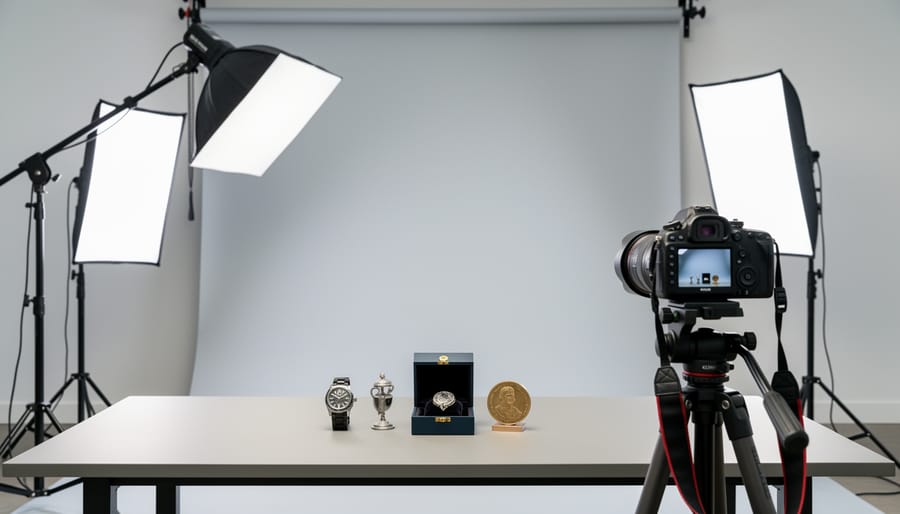
Once you’ve completed the intake consultation, your items move into the photography phase. This typically takes 1-3 hours for standard product shoots, though complex projects requiring multiple setups or specialized techniques may extend to a full day.
Your photographer carefully positions each item on professional backgrounds, adjusting studio lighting to eliminate shadows and highlight textures. They’ll capture multiple angles, front, sides, top-down, and detail shots, ensuring comprehensive coverage. For products with reflective surfaces or intricate details, expect additional time as photographers fine-tune light placement and camera settings to avoid glare while maintaining clarity.
Modern studios employ cutting-edge technology that significantly improves results. Adjustable LED lighting systems let photographers create the exact mood you’ve requested, from bright commercial looks to dramatic shadows. Turntable setups enable precise 360-degree rotations for spin photography, while high-resolution sensors capture every detail in 4K quality.
Throughout the session, items remain secure on designated surfaces. Photographers handle everything with care, using gloves for delicate pieces and protective materials between setups. You won’t be present during shooting, but reputable studios document the process and maintain accountability for your belongings until pick-up.
Review, Approval, and Final Edits
Once your photography session wraps up, you’ll receive a curated selection of preview images, typically within 24-48 hours for standard projects. These proofs showcase different angles and lighting setups, giving you a clear picture of what worked best. You’ll review them through a secure online gallery where you can leave specific feedback directly on individual images.
The approval process is straightforward: mark your favorites, request minor tweaks like background adjustments or color corrections, and flag anything that doesn’t match your vision. Most studios include one round of revisions in their base package. After you approve the final edits, you’ll receive high-resolution files in your preferred formats, whether that’s JPEGs for web use, TIFFs for print, or specialized formats for 360-degree product viewers. Your items are then ready for pick-up, and those polished images are yours to use.
Checking Your Results and Next Steps
When your photographer sends the final gallery link, download a few images and open them at full size on your computer rather than just scrolling through thumbnails on your phone. Check that colors match your brand palette, products appear sharp and in focus, and backgrounds are clean without distracting shadows or reflections. Look at each angle you requested to confirm all views are represented.
Most studios deliver images as high-resolution JPEGs suitable for print and web, though you might also receive RAW files if that was part of your package. Double-check file naming conventions if you specified a system, and ensure you can access the gallery without issues. If something feels off, a color cast, a cropped detail you needed, or a missing shot, reach out immediately. Photographers would rather make adjustments now than have you discover problems weeks later when preparing marketing materials.
Once you’ve approved everything, coordinate your pick-up within the studio’s specified window. Some photographers offer flexible evening or weekend slots to accommodate your schedule. When you collect your items, inspect them for any accidental marks or damage that might have occurred during the session, though proper studios handle products with care.
Before you leave, consider when to use services for future projects. If you have seasonal inventory releases, holiday campaigns, or regular content needs, ask about retainer packages or bulk pricing. Many photographers offer discounts for repeat clients and can prioritize your timeline once they understand your products and brand aesthetic. Building an ongoing relationship means faster turnarounds and more consistent results across all your visual content.
Common Questions About Drop-Off Photography
Most clients have similar concerns when they’re considering drop-off photography for the first time. Understanding the logistics, expectations, and practical details helps you make informed decisions about whether this service fits your needs.
How long does the entire process typically take?
Standard product photography projects are usually completed within 3-5 business days from drop-off to pick-up, though complex shoots requiring multiple setups or extensive editing may take up to two weeks. Rush services are often available for an additional fee if you need faster turnaround.
How are drop-off services priced compared to on-location shoots?
Drop-off photography generally costs 30-50% less than on-location sessions because the studio eliminates travel time, transportation of equipment, and location scouting expenses. You’re paying for the actual photography time and expertise rather than logistical overhead.
What items can’t be photographed using drop-off services?
Most studios can’t accommodate extremely large items like vehicles or furniture that won’t fit through standard doors, live animals without handlers present, or perishable food items that require immediate shooting. Highly valuable items over a certain threshold may require special insurance arrangements.
Who owns the final images and how can I use them?
Standard contracts typically grant you full usage rights for the final edited images for your business and marketing purposes, while the photographer retains copyright and may use them in their portfolio. Always clarify licensing terms during your initial consultation to ensure they match your needs.
The comparison between drop-off and on-location services comes down to convenience versus control. Drop-off works brilliantly for product photography, small items, and situations where you trust the photographer’s creative vision. On-location shoots make more sense when you need environmental context, can’t transport items safely, or require photography integrated into a specific setting like your retail space or event venue.